7 Steps to Build an Anti Raid Sky Settlement in Rust
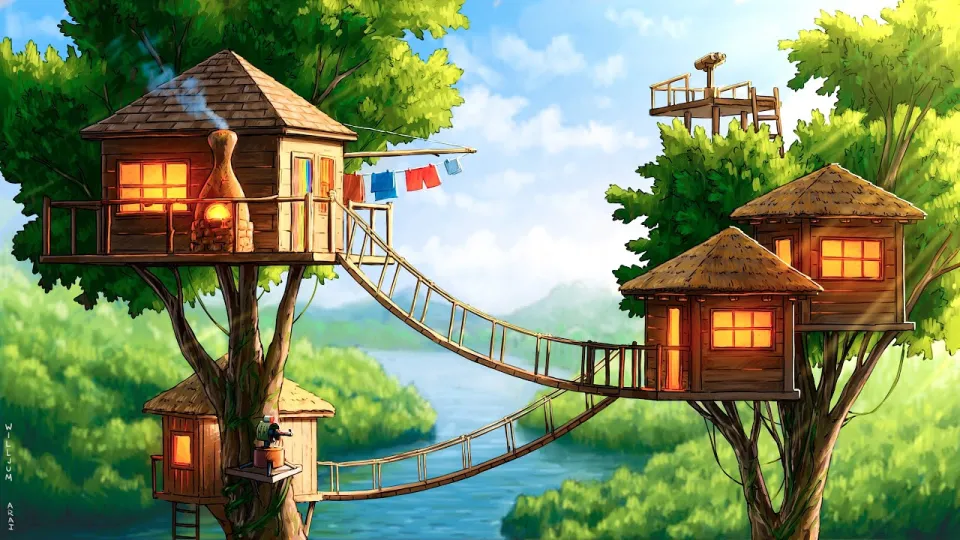
Video: I Built an anti raid sky settlement in Rust...
Want articles like this for your own video to promote it on YouTube and Google? Order them through the Telegram bot @sat_sit_bot. Articles with your video embedded are written and posted by the bot itself — on popular topical sites (no ads). Free trial — 50 articles.
A Rust sky settlement is a base built high above the ground on a tower of foundations and walls, so raiders have to climb or construct a raid tower before they can even start blowing in. The anti raid version of that idea stacks honeycombed layers around a small loot core and keeps the entry point far from anything valuable. Willjum's build video "I Built an anti raid sky settlement in Rust..." shows the concept in a solo survival setting, and you can support more of that content through the channel's Patreon page.
What makes a Rust sky settlement hard to raid
A sky settlement works because height itself is a defensive layer: raiders cannot simply walk up to your door with a rocket launcher and start counting. In Rust, a raid usually begins with a soft side or a doorway, and both of those are much harder to reach when the structure starts several floors above the terrain. Attackers either spend time building a raid tower out of their own foundations, or they burn explosives on the support structure and hope the whole thing collapses in a useful way.
The second advantage is sightlines. From elevation you can spot a raid tower going up, hear building sounds from further away, and use the height to shoot down at anyone trying to place ladders or twig stairs. A ground base gives you walls; a sky base gives you walls plus a warning system made of geometry.
The trade-off is real, though. Sky builds are slower to set up, they need a solid foundation footprint, and every floor you add increases upkeep. That is why the anti raid version should stay compact rather than turning into a tower with twelve empty levels.
Step 1: pick a footprint that can carry the height
Start with a foundation layout you can actually defend, usually a 2x2 or 3x2 square, and build the tower upward from there. A wider footprint spreads your walls thin, while a 1x1 tower is cheap to upkeep but collapses fast once the support goes. The sweet spot for a solo player is a small square core with at least one ring of extra foundations around the base so raiders cannot cheaply destroy the single support column.
Place the base away from cliffs that overlook it, because a nearby rock gives raiders a free shooting platform and a place to drop down onto your roof. Flat ground with a clear view in every direction is boring, but boring is what you want when the whole design depends on nobody getting above you.
Step 2: build the honeycomb before the loot
Honeycomb is the single most important anti raid principle in Rust, and a sky settlement lives or dies by it. Every wall layer between the outside and your loot multiplies the explosive cost of a raid: a raider who expected to spend a handful of rockets suddenly needs a full inventory. Build the outer shell first, then the inner walls, and only then place boxes.
A practical order for a small sky base:
- Foundation footprint with a stone or metal outer ring.
- Two floors of empty honeycomb around the core.
- Stairs or ladders placed inside the protected area, not on the exterior.
- Loot room in the middle of the structure, surrounded on all sides.
- Tool cupboard placed so it is reachable for you but deep for anyone else.
Doors are the weakest point of any build, so keep the number of exterior doors to a minimum and put the first door behind a wall the raider has to break anyway.
Step 3: separate the loot from the entry path
Most bases fall because the loot sits one door away from the entrance. In a sky settlement you have vertical space, so use it: the entry point can be on a lower floor, the loot two floors above or below it, and the path between them can run through honeycombed walls. A raider who blows the front door finds an empty corridor, not a row of large boxes.
Spread high value items across more than one small room. A single loot room is convenient for you and equally convenient for anyone who breaches it. Two small rooms with separate walls force a raider to commit explosives twice.
Step 4: control the approach with ladders, not stairs
Exterior stairs are a gift to raiders: they are cheap to climb and they lead straight to a door. Ladders placed inside the honeycomb, or a jump-up entry that requires a specific route, make the approach slower and louder. If your build uses an external climb, make sure the top of it is exposed to fire from inside the base so you can punish anyone using it.
Remember that raiders can always build. Twig stairs, ladders and raid towers are all part of the toolkit, so the goal is not to make climbing impossible but to make it expensive and visible. A sky base that can be reached in thirty seconds with a stack of wood is not an anti raid design.
Step 5: budget upkeep before you commit
Upkeep is the hidden cost of every tall base in Rust. The more building blocks and the higher the tier of those blocks, the more resources the tool cupboard demands each day, and a sky settlement has more blocks than a ground bunker of the same footprint. Before you upgrade everything to metal, check the upkeep cost and make sure your farming routine can cover it.
A useful rule: upgrade the layers that raiders must break first, and leave the interior floors cheaper where the difference in raid cost is small. Skipping a day of upkeep can decay the very walls you built for protection, which is a worse outcome than a slightly weaker wall.
Step 6: use the height for information, not just defence
Elevation is an intelligence tool. From a sky settlement you can watch the roads, spot groups moving toward your area and hear raid towers being built before the first rocket lands. Keep a small observation point with a window or embrasure so you can look out without exposing your whole body.
This is also where solo players gain the most. A solo defender cannot match a group in a straight fight, but a solo player who sees the raid coming can move loot, call for help or simply log off with the important items in a safe place. Height buys time, and time is the resource that matters most.
Step 7: plan the fallback before the raid starts
Every base eventually gets raided, so decide in advance what happens when the walls come down. Keep a small stash of essentials in a second location, store valuables you cannot afford to lose in a way that survives a breach, and know which exit you will use if someone breaks in while you are online.
A sky settlement is at its most vulnerable during construction, when the honeycomb is incomplete and the loot is already inside. Build the shell first, move loot in last, and never leave a half finished tower full of boxes overnight.
Common questions about sky bases in Rust
Viewers who watch Rust build videos without playing the game often ask whether a sky base is actually practical or just a spectacle. The honest answer is that it is practical for players who farm consistently and understand upkeep, and a trap for players who build big and then run out of resources. Others wonder whether raiders simply destroy the support and drop the whole structure, which is why the base footprint and the lower layers deserve as much attention as the top floors.
A third recurring question is whether elevation replaces honeycomb. It does not: height delays the raid, but only layered walls decide how much it costs. Finally, players ask about solo viability, and the answer is that a compact sky build is one of the few designs a solo player can actually maintain, provided the footprint stays small and the loot stays split.
Useful links
- Willjum on Patreon — support the channel and get access to patron perks.
- Willjum on Twitch — live survival streams.
- Willjum on Twitter — updates and announcements.
- Creative Commons Attribution 4.0 — license referenced for the music used in the video.
Final thoughts on anti raid sky settlements
An anti raid sky settlement in Rust is not a magic shield; it is a design that forces raiders to spend time, explosives and exposure before they reach anything valuable. Elevation, honeycomb, a split loot layout and a realistic upkeep budget do most of the work, and the height only amplifies those fundamentals. Willjum's build video is a good demonstration of how a solo player turns vertical space into a defensive advantage rather than an expensive vanity project. If the format is useful to you, the channel's Patreon page is the direct way to back more of these builds.
Key takeaways
- Sky bases trade ground access for elevation: raiders must climb or build a raid tower before they can even start blowing in.
- Every extra wall layer multiplies explosive cost, so a compact honeycombed core beats a big open floor plan.
- Upkeep scales with block count and building size: a tall sky base costs more per day than a small ground bunker.
- Loot should sit in the most protected core, never behind a single door near the entry point.
- Willjum's anti raid sky settlement video went live on 10 October 2026 and the channel hit 2 million subscribers around the same upload.
Questions & answers
Is a sky base in Rust actually worth building?
It is worth it if you can keep up with upkeep and you build compact. A small honeycombed sky base forces raiders to construct a raid tower and spend extra explosives, which is exactly what a solo player wants. A large, mostly empty tower is usually a waste of resources.
Can raiders just destroy the support and collapse the whole sky settlement?
They can try, which is why the base footprint matters. A wider foundation ring and layered lower walls make destroying the support expensive, and a collapse does not guarantee access to a well placed loot core. Treat the bottom floors as part of the defence, not as an afterthought.
How much upkeep does a tall base cost in Rust?
Upkeep scales with the number of building blocks and their tier, so a sky settlement costs more per day than a ground base of the same footprint. Check the tool cupboard cost before upgrading every layer to metal and keep a farming routine that covers it, because decay can undo your work faster than a raid.
I have never played Rust but I enjoy watching build videos. Will this design make sense to me?
Yes, the core ideas are simple: height delays attackers, extra walls multiply raid cost, and loot should sit far from the entrance. Those principles explain most of what happens in a Rust build video even if you never open the game yourself.
Source: I Built an anti raid sky settlement in Rust... · Markdown version