What makes Rust solo survival next to Oil Rig so hard to pull off?
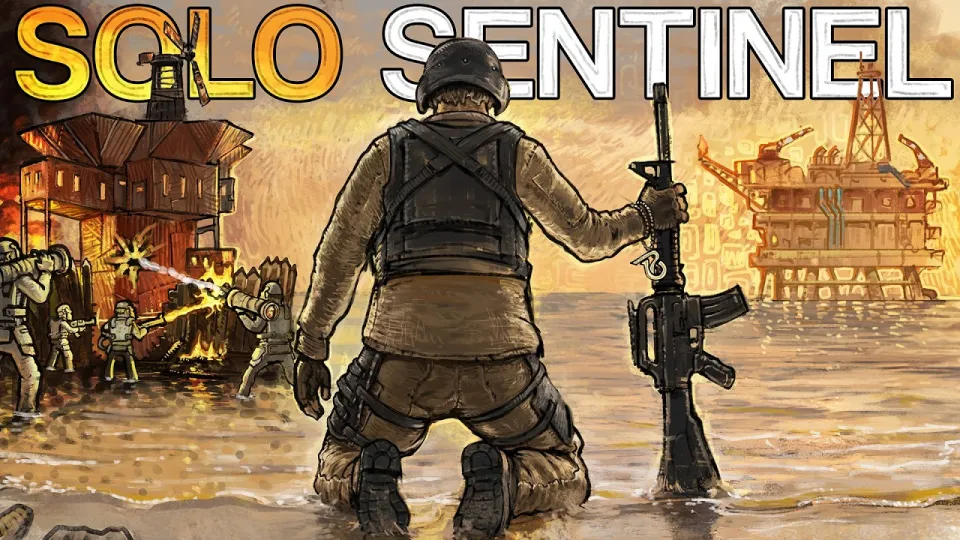
Video: The Solo Sentinel - Rust
Want articles like this for your own video to promote it on YouTube and Google? Order them through the Telegram bot @sat_sit_bot. Articles with your video embedded are written and posted by the bot itself — on popular topical sites (no ads). Free trial — 50 articles.
Rust solo survival next to Oil Rig works because the monument supplies constant loot and constant pressure: a solo player who builds within sight of the rig gets fast access to military crates and elite scientists while forcing every group on the server to pass through his base to contest the water. In Blooprint's solo run, the base becomes the whole strategy — a fortified staging point that turns a high-traffic PvP zone into a farming engine. The same run is streamed live on Twitch, where the full session and the raids around it play out in real time.
Why build a solo base right next to Oil Rig in Rust
Building next to Oil Rig is a deliberate trade of safety for speed. The monument is one of the richest loot sources in the game — elite crates, military tunnels and heavy scientist spawns — but it is also one of the most watched. A solo player who lives on the shoreline can hit the rig on cooldown, extract crates before a group finishes gearing, and retreat to turrets instead of running across the map.
The placement also changes how opponents behave. Groups that want the rig must either fight through the base or risk being shot from it, so the base acts as a toll booth on the server's best loot. The cost is that the base is permanently visible: every neighbor knows exactly where the solo lives and what he is carrying.
The solo advantage: one player, one plan
Solo Rust is a resource discipline problem more than an aim problem. With no teammates, every turret, code lock, sheet metal door and upgrade is a decision made by one person, and mistakes cannot be covered by a second set of hands. That is why solo bases tend to be compact, layered and cheap to maintain — honeycomb and extra doors matter more than floor space.
It also changes the pace. A solo cannot loot the rig, cook sulfur, craft explosives and defend at the same time, so the run is built around short, repeatable loops: farm, run the monument, bank the loot, upgrade. Viewers consistently say this slower, narrated progression is more engaging than watching a team hit tier 2 and tier 3 gear within twenty minutes of a wipe.
How to set up a base next to Oil Rig step by step
- Scout the shoreline before placing anything: look for a spot with cover from the water approach, a short swim or boat ride to the rig, and at least one natural sightline onto the rig's ladders.
- Start small and stone-first. A 1x1 or 2x1 starter with a tool cupboard and a sleeping bag is enough for the first rig runs; expand only after the first successful crate extraction.
- Add a boat base or a small dock early. Without reliable water transport, the rig is a one-way trip and the loot never reaches the core.
- Layer defenses inward: an airlock, then a loot room behind at least two doors, then honeycomb. Solo bases are raided from the top and the back as often as the front.
- Place turrets where they cover the water approach and the rig's ladders, not the front door. Most fights around the rig start from the sea, not the road.
- Keep a second stash away from the main base. A solo who loses everything in one raid has no rebuild option unless something was banked elsewhere.
Snowballing from the rig into a full wipe
The snowball in a solo run comes from compounding small wins. One clean rig run pays for a tier 2 workbench; the workbench pays for better weapons and turrets; turrets make the next rig run safer. Blooprint's run follows exactly this curve, moving from a fragile starter to a base loaded enough that other players start treating it as a target worth rockets.
Timing matters as much as gear. Servers are quietest in the early hours, which is when the rig is easiest to farm and when raids on a solo base are most likely to arrive unannounced. Being online, fed and stocked at those hours is worth more than any single weapon.
Defending a solo base against a rocket raid
Defense starts before the rockets land. A solo base should assume it will be hit while the owner is offline or half-asleep, so the goal is to make the raid expensive: multiple layers, decoy loot rooms, and a core that takes more explosives than the attacker expects to craft.
When a raid does start, the solo's advantages are information and mobility. Knowing the base's own blind spots lets the defender flank through a side entrance or drop from a roof while the attackers focus on the breached wall. Turrets buy the seconds needed to respawn, re-gear and re-enter the fight, and every extra minute raises the attacker's cost.
Even a raid that ends in a loss can be a win in the wider run: the attackers burn rockets, expose their base location and often leave loot behind. That is the trade most solo players accept when they build next to the most contested monument on the map.
What viewers ask about solo Rust content
Solo videos get a different kind of attention than team series. Because there are no comms to listen in on, every callout is aimed at the audience, which makes the decision-making visible: why a door goes here, why a turret faces the water, why a fight is skipped. That transparency is the reason solo formats are requested so heavily, and why viewers describe the slower tier-by-tier progression as more relatable than a fast team snowball.
Interaction with strangers is the other half of it. Chance encounters — a neighbor offering a trade, a group that turns up at the rig, a raider who sends rockets and then says good game — produce the stories that solo runs are remembered for. A base next to Oil Rig practically guarantees those encounters.
All links from the video
- Twitch: https://www.twitch.tv/blooprint
- Kick: https://kick.com/blooprint
- TikTok: https://www.tiktok.com/@blooprintgames
- Twitter: https://twitter.com/blooprintgames
- Discord: https://discord.gg/blooprint
Final thoughts on the solo Oil Rig strategy
Building next to Oil Rig is one of the few solo strategies in Rust that scales: the monument pays for the base, the base protects the monument runs, and the whole loop gets stronger with each wipe day. The run shows that a single player can hold ground in the most contested part of the map as long as the base is layered, the loot is banked and the timing is right. Blooprint's breakdown is worth watching for the base layout alone, and the live version of the same playstyle is on Twitch if you want to see the decisions made in real time.
Key takeaways
- Blooprint's solo run is built around a base placed directly next to the Oil Rig monument, turning a high-traffic PvP zone into a farming and defense advantage.
- Solo Rust means every turret, code lock and upgrade is placed by one player, so resource allocation matters more than raw aim.
- Oil Rig is one of the most contested monuments in Rust, which makes a nearby base both a launch pad and a permanent raid target.
- The run includes a late-night raid attempt with rockets on the base, showing how solo defense plays out against groups.
- Solo content is the format most viewers ask for, because the creator narrates every decision directly to the audience.
Questions & answers
Is a solo base next to Oil Rig actually viable in Rust?
Yes, if it is built compact and layered rather than large. The rig supplies elite crates and military loot on a short cooldown, so a solo who can farm it repeatedly outpaces players living far from monuments. The trade-off is constant visibility, which is why turrets, honeycomb and a second stash are mandatory.
Why do viewers prefer solo Rust videos over team series?
In a solo video every decision is explained to the audience, because there are no teammates to talk to. That makes the play-by-play readable even for people who do not play Rust, and the slower progression from starter base to loaded wipe feels more relatable than a fast team snowball.
How do you defend a solo base when a group brings rockets?
Make the raid expensive before it starts: multiple door layers, decoy loot rooms and turrets covering the water approach. During the raid, use your knowledge of the base's blind spots to flank while the attackers are focused on the breached wall, and keep gear ready to re-enter the fight.
What should a solo player farm first when living near Oil Rig?
A boat and a small dock, then a tier 2 workbench funded by the first crate runs. Without reliable water transport the rig is a one-way trip, and without a workbench the loot cannot be turned into turrets and better weapons that protect the next run.
Source: The Solo Sentinel - Rust · Markdown version